In large conferences, if you’ve ever sat through an “ecosystem panel,” you know the problem: lots of big statements, very little clarity. You leave without a simple answer to the only thing that matters:
Who can I work with, and what’s the fastest next step?
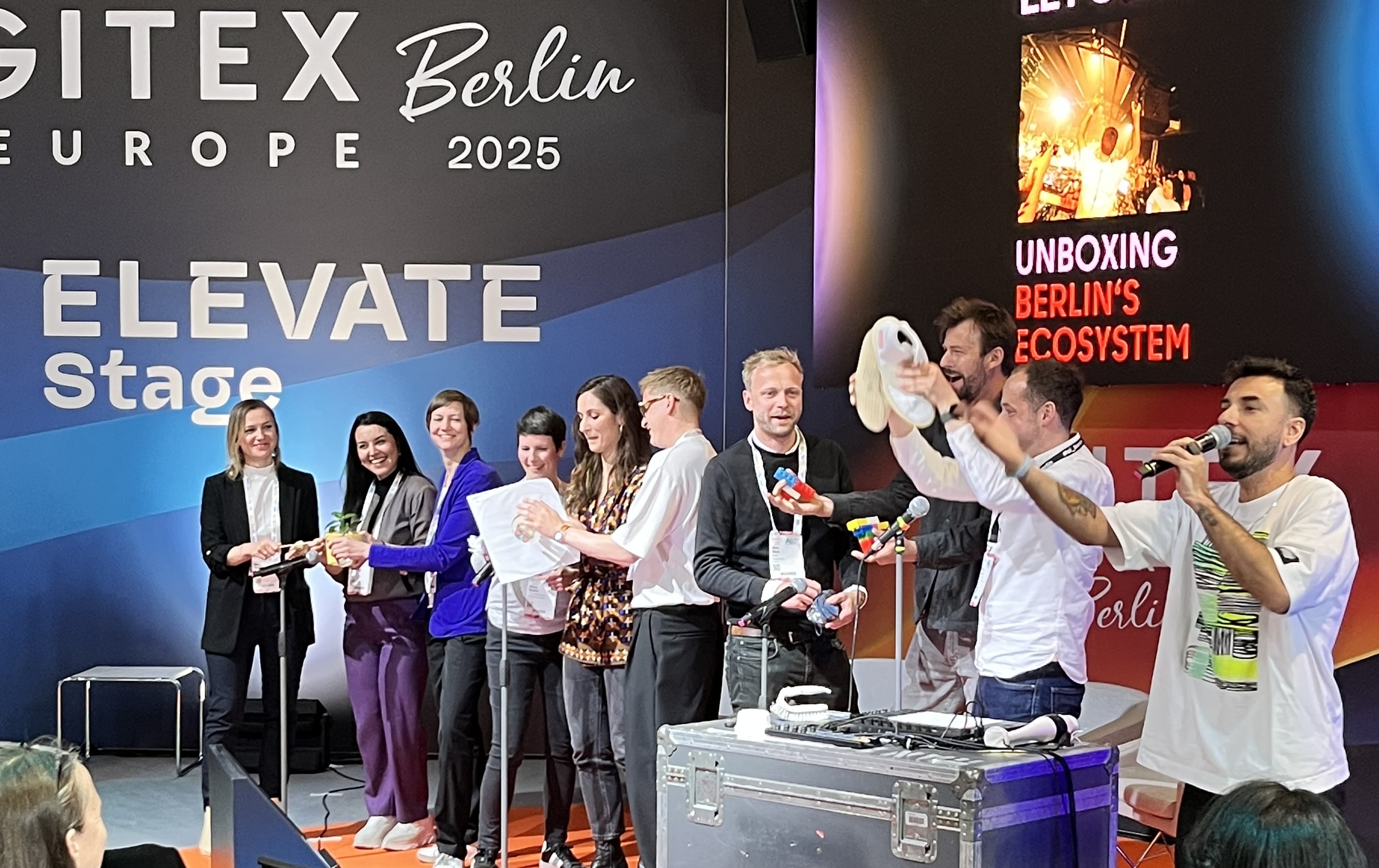
That’s what we were chasing in two different Berlin contexts in 2025: GITEX EUROPE and the AsiaBerlin Summit—through two stage productions we curated and moderated. Different audiences, different pacing, different goals on the day. One shared backbone: make ecosystems feel accessible, attractive, memorable, and actionable.
GITEX is fast. Loud. Full of interesting content. In that context, our power was simple: turn “ecosystem talk” into something people can actually use, who’s who, what connects them, and what the first real step looks like.
No matter the role, the key players shared the same insights: access, trust, and momentum, these are the key for an ecosystem to grow and connect to each other. When questions are specific, answers become specific too: What do you need right now? What can you offer? What’s one thing the audience can do next week?
People don’t want another overview. They want orientation. A quick mental map they can remember after the session: who to talk to, what to ask, where to start.
If you want cross-ecosystem collaboration, skip the big vision first. Start with one offer + one ask + one next step in 7 days.
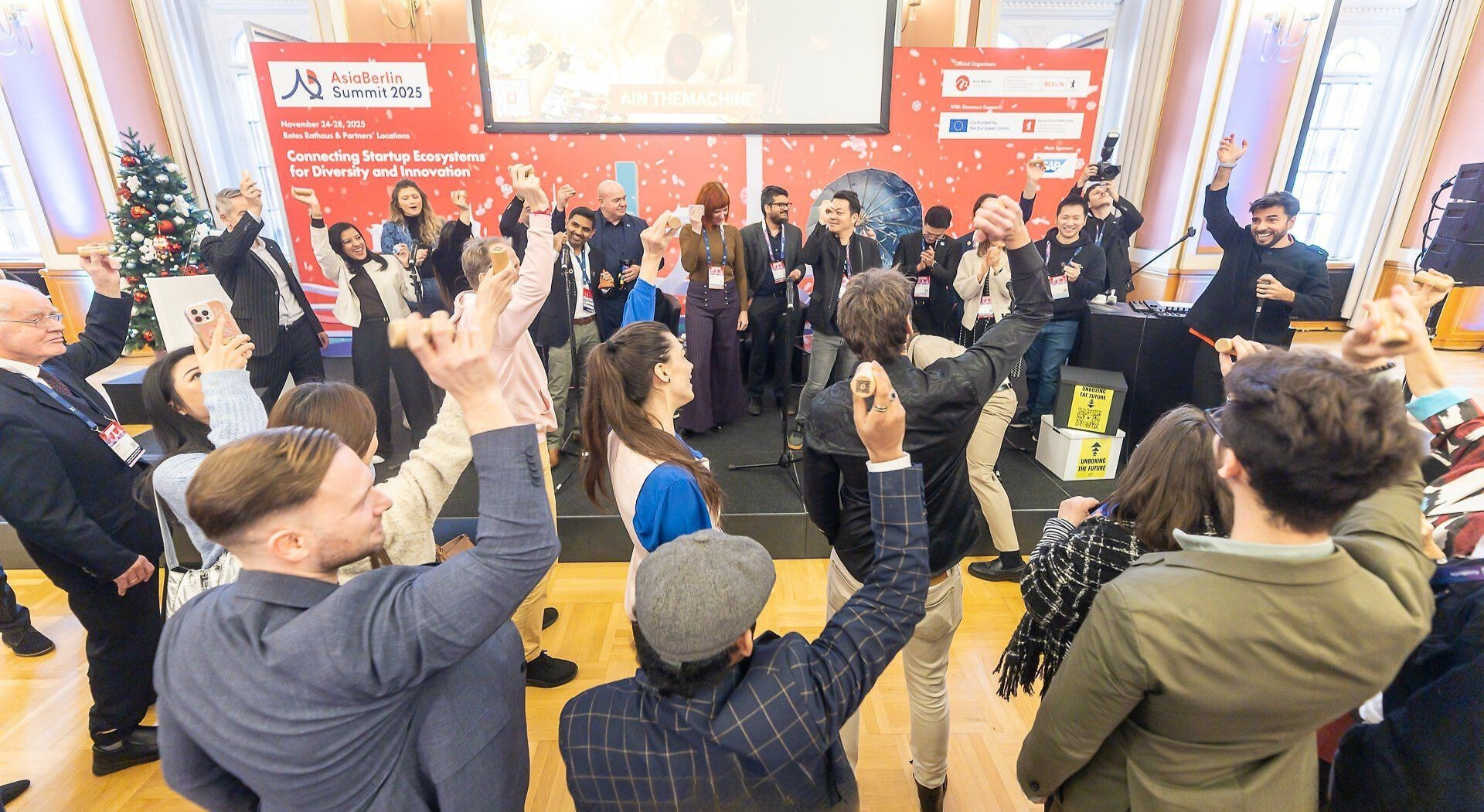
At the AsiaBerlin Summit, we ran a live session that brought 13 ecosystem builders on stage representing bridges between Berlin and hubs across Vietnam, India, Sri Lanka, Cambodia, Thailand, Indonesia, China, Malaysia, Korea, Japan, Bangladesh, and Germany
What was special here was the contrast and how quickly that contrast collapses when people get specific.
Most “let’s collaborate” conversations die because they stay polite and vague.
They start moving when each side can say two simple things:
At conferences, people tend to over-talk the vision and under-talk the trade. On stage, when guests were pushed to be specific, the room immediately got more attentive because specificity is usefulness.
Take part in the conversation, come to the release events, suggest topics, meet the guests


